

 September 1, 2019
It can be challenging, frustrating, and even isolating to live with a chronic health condition, but it’s not at all uncommon. Heart disease, hypertension, diabetes, cancer, kidney disease, and other long-term illnesses affect millions of adults in the United States—60 percent of Americans have at least one chronic disease, and 40 percent of Americans have been diagnosed with two or more.
Chronic pain is also incredibly pervasive, affecting more Americans than heart disease, diabetes, and cancer combined. Whether it’s the product of another condition or it develops and subsists on its own, persistent pain is both a leading cause of disability and the primary reason people choose to seek medical care.
Whether you’re dealing with chronic illness, ongoing pain, or both, chances are your treatment plan includes various medications to help control your condition and alleviate discomfort. If this sounds familiar, you may be an ideal candidate for medication management, a comprehensive service that aims to optimize drug therapy. Here’s how it works.
Medication management is the careful accounting and control of all prescription and over-the-counter medications you’re taking at any given time.
With an overarching goal of making pharmaceutical therapy as safe, effective, and appropriate as possible, medication management is the best way to prevent the potentially dangerous drug interactions that are more likely to affect those who take several medications to treat multiple chronic conditions.
The first step in effective medication management is conducting an A-to-Z review of your health, your current medication needs, and a full list of the medications you’re taking.
This allows us to identify existing or potential drug therapy problems, including side effects and interactions; it also gives us an opportunity to spot medications that may no longer contribute to your overall health and well-being.
By emphasizing whole-person care that places your individual needs and health goals at the forefront, medication management goes far beyond detailing your prescriptions and finding potential problems—it also includes a comprehensive care plan that:
On top of helping you become a more active participant in your own care, medication management gives you a better understanding of where you’re currently at as well as how you may be able to reduce your reliance on medication in the future.
You already know that taking multiple medications increases your risk of experiencing adverse drug interactions, but did you know that suffering an adverse reaction leaves you susceptible to a wide variety of complications, ranging from dizziness and drowsiness to severe headaches and confusion?
This helps explain why people who take multiple medications are more likely to suffer a fall, visit the emergency room, or be hospitalized. Taking multiple prescriptions also increases the likelihood that you’ll forget to take some of those medicines from time-to-time, or even routinely, as is often the case for people with memory problems.
By helping you adhere to your prescribed drug therapy, medication management is arguably just as important to your health as the medication itself.
In fact, not adhering to a prescribed drug therapy, even when it’s accidental, can carry a serious risk of adverse health consequences. For example, people with cardiovascular disease who fail to take their medications even as little as 20 percent of the time are much more likely to be re-hospitalized with heart failure.
To make your daily medication routine easier and as manageable as possible, we can provide you with a few simple strategies that leave you feeling comfortable and confident in your routine.
Effective at-home medication management strategies include keeping an up-to-date checklist of all the prescription and over-the-counter medications that you take, including detailed information for each drug about dosage, timing, and whether it should be taken with food, water, or on an empty stomach.
Other simple strategies include setting a timer to remind you to take your medicine, and asking your pharmacist to give you your medicine in large containers with distinct, easy-to-read labels.
To learn more about medication management or find out how it can benefit you, call your nearest Pacific Pain and Regenerative Medicine office in Los Angeles or Irvine, California today, or use the easy online tool to schedule an appointment with Dr. Hasan Badday any time.

Millions of people suffer from osteoarthritis, a degenerative condition that causes joint pain and stiffness. While there’s no cure, there are plenty of steps you can take to protect your joints, including the suggestions in this post.
Learn More

When most of us think of physical therapy, we think of it in terms of how it’s used to treat injuries, like sports injuries or car accidents. But physical therapy is also widely used to manage chronic pain, a condition affecting millions of Americans.
Learn More

Spinal stenosis happens when your spinal canal narrows, exerting pressure on your nerves. In this post, you’ll learn about the risk factors and symptoms to look for, so you can seek treatment before permanent nerve damage occurs.
Learn More

Testosterone plays an important role in male health, but as you age, declining levels of this important hormone can have a major effect on your overall well-being. Here are the symptoms to look for and how hormone replacement therapy can help.
Learn More

Even though different types of pain might feel the same, they’re often treated differently. Nociceptive pain is the most common type of pain. Here’s what it is and how we can help you find relief.
Learn More

Car accidents can cause a wide range of injuries, and not all of them result in immediate symptoms. Here’s why it takes some pain longer to appear — and why you should always be medically evaluated.
Learn More

If you’re one of the millions of people suffering with chronic pain, there are lots of medical treatments that can help. But for many patients, a few lifestyle changes can make a dramatic difference in your symptoms. Here are seven to try.
Learn More

Massage therapy isn’t just about relaxing — it has some powerful health benefits too. Here are seven things you may not know about massage, including ways it could help you improve your health and reduce painful symptoms.
Learn More

Sports injuries are common, but the good news is, most can be easily treated with conservative therapies. The key is to seek medical treatment early, before a “mild” injury gets worse. Here are five injuries you should be aware of.
Learn More

Testosterone plays a major role in men’s health, yet many men know surprisingly little about this important hormone. Here’s a quick overview of testosterone, along with seven important facts you should know.
Learn More

Medications play essential roles in helping us stay healthy at every stage of life. But taken inappropriately, they also can cause serious and even life-threatening problems. Medication management can help. Here’s how to tell if it’s right for you.
Learn More

Bulging discs are a common source of back and neck pain, and they tend to become more common as we age. Still, they’re not the only cause of spine symptoms. Here’s how we determine if your discs are the cause of your pain.
Learn More

Arthritis affects millions of Americans, causing significant pain, disability, and reduced quality of life. Most people know joint wear and tear contributes to many of these symptoms, but your genes play a role too. Here’s how.
Learn More

Epidural steroid injections help reduce chronic pain by targeting the cause of inflammation and nerve irritation. Here’s how these injections work and what to expect during and after an injection.
Learn More

Most people think of testosterone as the male sex hormone, and while it does play a big role in sex, it affects your health in other ways too. Here’s how to tell if you might be suffering from “low T.”
Learn More

Pain is pain, right? Not really. Acute and chronic pain may share similar symptoms, but the way they’re treated can differ — a lot. Here’s how to tell if your pain is acute or chronic.
Learn More

Compression fractures are a relatively common cause of chronic back pain, occurring mostly among older people with osteoporosis. Kyphoplasty uses a minimally invasive approach to relieve pain and restore spine function. Here’s how it works.
Learn More

If you suffer from migraines, you know how debilitating they can be. Preventing migraine attacks starts with learning your triggers and how to avoid them. Here’s what you can do to avoid seven of the most common migraine triggers.
Learn More

Facet joints may be the least well-known joints in the human body — but they’re just as important as better-known joints. Here’s what your facet joints do and how they can sometimes wind up causing chronic back or neck pain.
Learn More

Millions of people live with chronic pain. If you’re one of them, you just might benefit from injection therapy. Here are five types of injections you should know about.
Learn More

Lots of issues can cause back pain, including spinal stenosis, a relatively common cause of spine pain that gets worse with age. If you have back or neck pain, here’s how to tell if spinal stenosis might be to blame.
Learn More

If you’re a man with low testosterone, you may experience unwelcome symptoms of tiredness and fatigue. Find out more about testosterone therapy and how it can bring back your vigor and renew your energy.
Learn More

The avant-garde spinal cord stimulation procedure is minimally invasive, permanent, nonaddictive, and solves many types of chronic pain. Keep reading to learn more about spinal cord stimulation and whether it might help you.
Learn More

When you find the pain management solution that works for you, it gets much easier to live your life exactly the way you like. Discover the pain relief techniques available, and how to choose the right method for you.
Learn More

Using revolutionary exosome regenerative medicine, you can experience long-term relief from your pain without resorting to other, more invasive treatments. Learn more about exosomes and their role in treating chronic pain.
Learn More

Infusion or IV therapy is a convenient, safe, and effective form of pain management for many medical conditions. Discover ten conditions infusion therapy is highly effective against, and what the process of getting infusion therapy is like.
Learn More

Taking medication is one way to relieve chronic pain symptoms, but determining what medications you need, then managing them correctly, can be a challenging endeavor. Discover why medication management is important for treating your chronic pain.
Learn More

Injection therapy can help you manage the pain you’re experiencing and restore your quality of life. Keep reading to learn more about injection therapy and how to determine if it’s the right solution for your chronic pain.
Learn More

Some of the most frustrating symptoms of decreased testosterone levels can be diminished sexual performance and drive, which can make intimacy more challenging. Here’s how testosterone therapy can enhance intimacy in your relationship.
Learn More

With many parts of your body enclosed within your abdomen, it’s no wonder abdominal pain is a common complaint. Understand five of the most common causes of abdominal pain and what to do to find relief.
Learn More

Conditions like spinal stenosis or a bulging disc can cause excruciating back pain. Fortunately, it’s possible to relieve your pain by keeping your spine strong. Here’s what you need to know about improving your posture to strengthen your spine.
Learn More

Hemp extract is an innovative new ingredient that offers long-term pain management with minimal to no side effects. Discover why hemp is so powerful at making chronic pain go away.
Learn More

Maintaining healthy joints is a crucial part of living an active and healthy lifestyle at any age. Keep reading to learn five kinds of exercises you should do regularly to keep your joints strong and promote joint health.
Learn More

Two painful sports injuries, tennis elbow and golfer’s elbow, can happen to anyone but are especially common for athletes to experience. Discover how to differentiate between and treat these two conditions.
Learn More

While playing sports usually keeps us fit, being active in certain sports can also increase our risk of injuries, such as a torn ACL. Learn more about what a torn ACL is and the nonsurgical treatment options.
Learn More

Low testosterone can diminish your quality of life by reducing your energy levels, sexual performance and drive, and increasing your risk of heart conditions. Here are the signs of low testosterone to look for and how testosterone therapy can help.
Learn More

Thanks to an innovative new treatment called exosome therapy, it’s possible to turn back time. Keep reading to learn more about how getting anti-aging exosome therapy can help reverse the effects of getting older.
Learn More
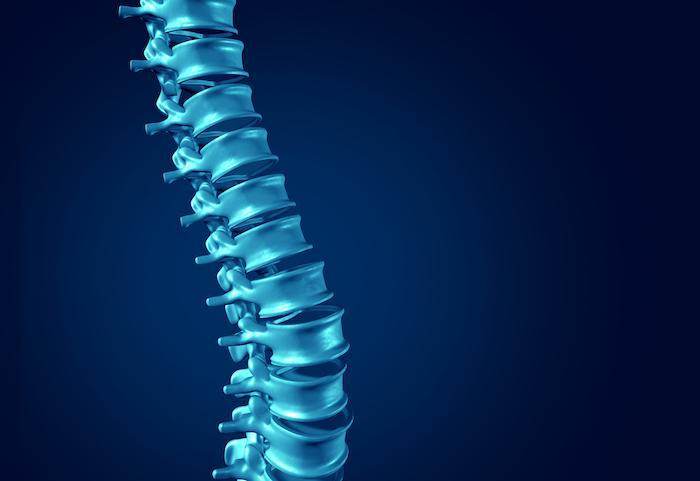
To protect your long-term spine health, focus on lifestyle changes now that reduce your risk for spinal stenosis and other degenerative conditions. Learn how exercise and weight loss lowers your chances of developing chronic spinal stenosis pain.
Learn More

Do you live with chronic pain? Have you been told your symptoms aren’t real? You don’t have to suffer anymore. Keep reading to learn how chronic pain impacts your life and how the right care can help you can regain control again.
Learn More
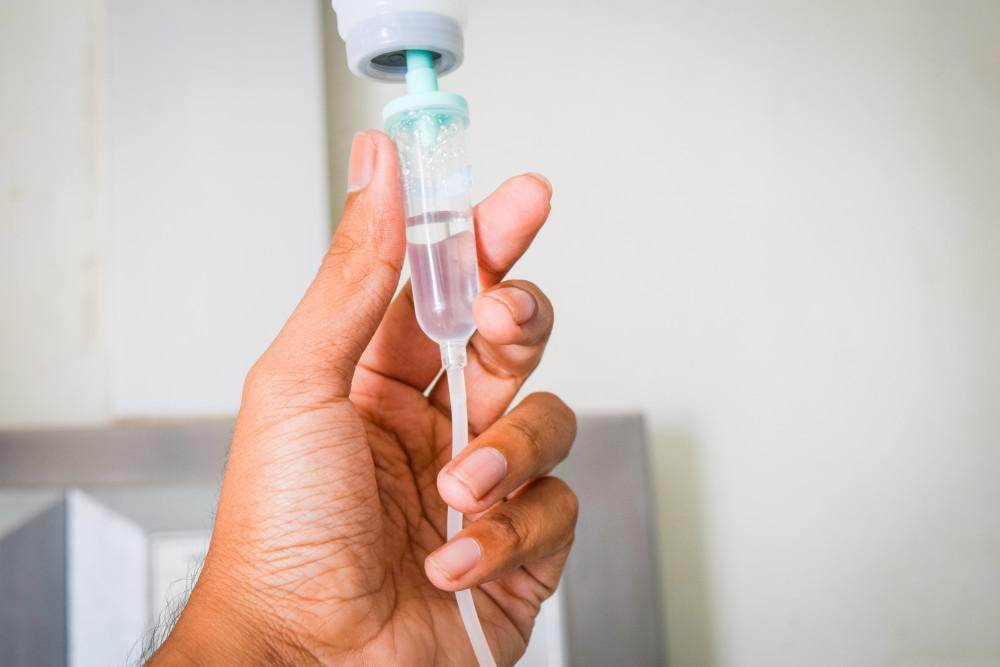
If you’re suffering from chronic pain, you may find it challenging to function at home and work when your pain is severe. Read on to learn how IV therapy can help relieve your pain and give you back your life and vitality!
Learn More

Are your arthritis symptoms causing chronic pain or reduced range of motion? These common complaints develop because of how this inflammatory condition affects your joints. But there are effective treatments available.
Learn More

Although many women accept pelvic pain as part of their menstrual cycle, both men and women can suffer from pelvic pain. Pelvic pain can be treated and shouldn’t be ignored. Find out what’s causing yours.
Learn More

Pain treatments come in many forms, including intravenous (IV) medications. Learn more about the most common uses of IV pain treatment and see whether it might be right for you.
Learn More

Some migraine sufferers find that specific foods trigger their headaches. While everyone’s food triggers are different, here are some foods that you might want to avoid if you suffer from migraines.
Learn More

If you suffer from chronic pain, but haven’t been satisfied with the results you’re getting from traditional pain medications, you may want to see if CBD oil is right for you.
Learn More
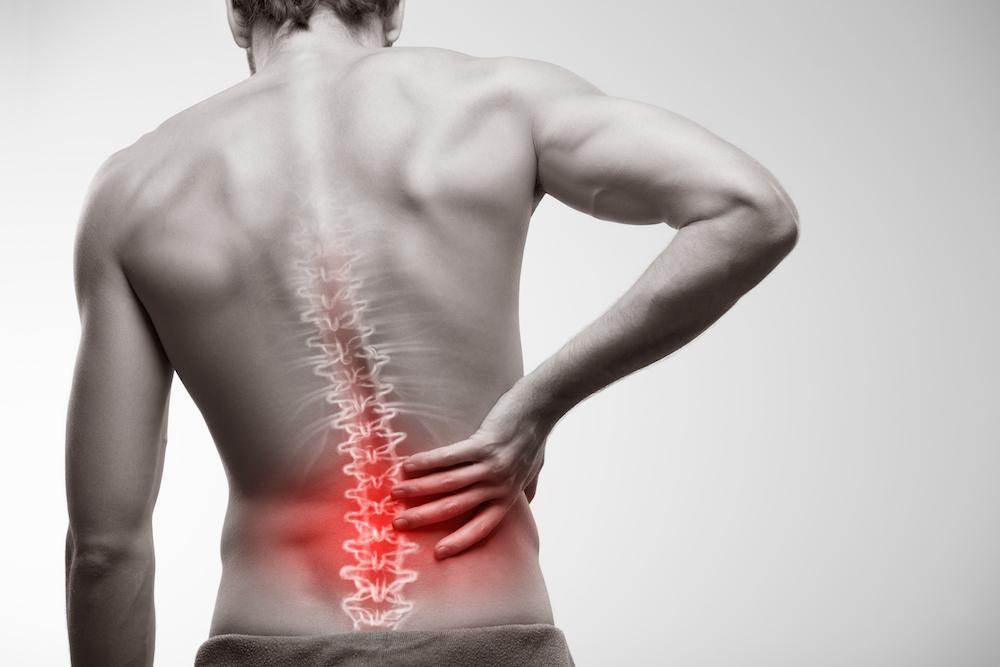
If like millions of others, you’re struggling with debilitating and chronic back pain, epidural steroid injections may offer a much-needed reprieve from your pain. And their safety is well-documented.
Learn More

If you’ve noticed that you just don’t feel like yourself lately and have lost your vitality, you may have low testosterone. Learn the warning signs of testosterone deficiency, and find out what you can do to get your virility back.
Learn More
Pain is your body’s way of keeping you safe. However, when you struggle with it for a long time, or if it’s severe, it can be difficult to handle. Read on to learn about five common pain injections and see if any may be able to help you.
Learn More